
HOtspot
Hotspot is a concept for a cross-disciplinary student platform — combining a networking app, a physical campus space, and interactive information boards to help students find each other, collaborate, and actually want to spend time at school.
Metropolia UAS, Innovation Project 2020. Team: Eetu Mäkinen, Jenna Kejonen, Paula Hovi. My role: UX/UI design, concept design, user research.
From the start, the project struck a nerve. Lecturers responded with unexpected enthusiasm — they had long been searching for a way to bring creative students from different majors together, but hadn't found one. Hotspot felt like it could be that solution. The concept gained enough traction that the school began exploring implementation — budgeting and sponsorship discussions were underway before COVID-19 brought the project to a halt in early 2020.
RESEARCH PROBLEM
Metropolia brings together students from dozens of creative fields — industrial design, architecture, UX, media, business, and more. On paper, the potential for cross-disciplinary collaboration is enormous. Yet despite sharing the same campus, students often seemed to remain within their own programs and communities. Projects, events, and expertise existed across the building, but much of it remained invisible to those outside a particular field.
This raised a simple question: if so much creative talent exists in one place, what is preventing stronger connections from forming between students? Rather than assuming an answer, we decided to investigate how students experienced campus life and what role the environment played in supporting — or limiting — collaboration.
This led to our research question: how might we create the conditions for meaningful collaboration between students from different disciplines?
SURVEY
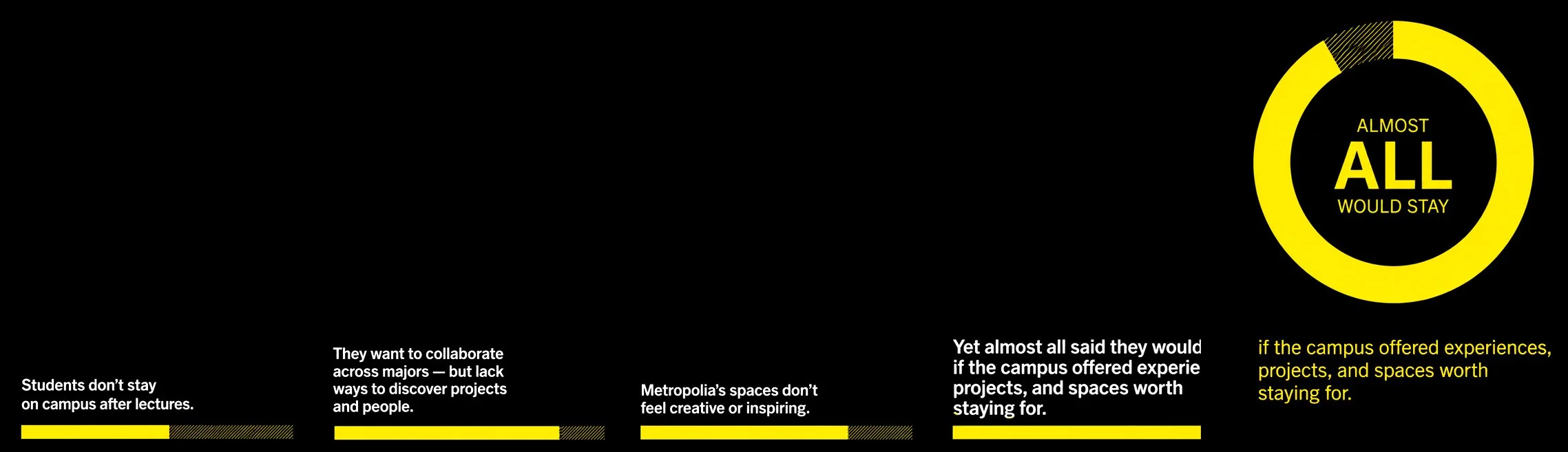
We chose a survey to gain a broad understanding of student experiences across different majors and study backgrounds. A large number of students participated, indicating that the topic resonated strongly within the community.
The responses revealed clear patterns in how students use the campus, what challenges they face, and what they feel is currently missing. These insights provided a solid foundation for identifying opportunities to improve collaboration, creativity, and student engagement on campus.

Field visit: Aalto Design LAB
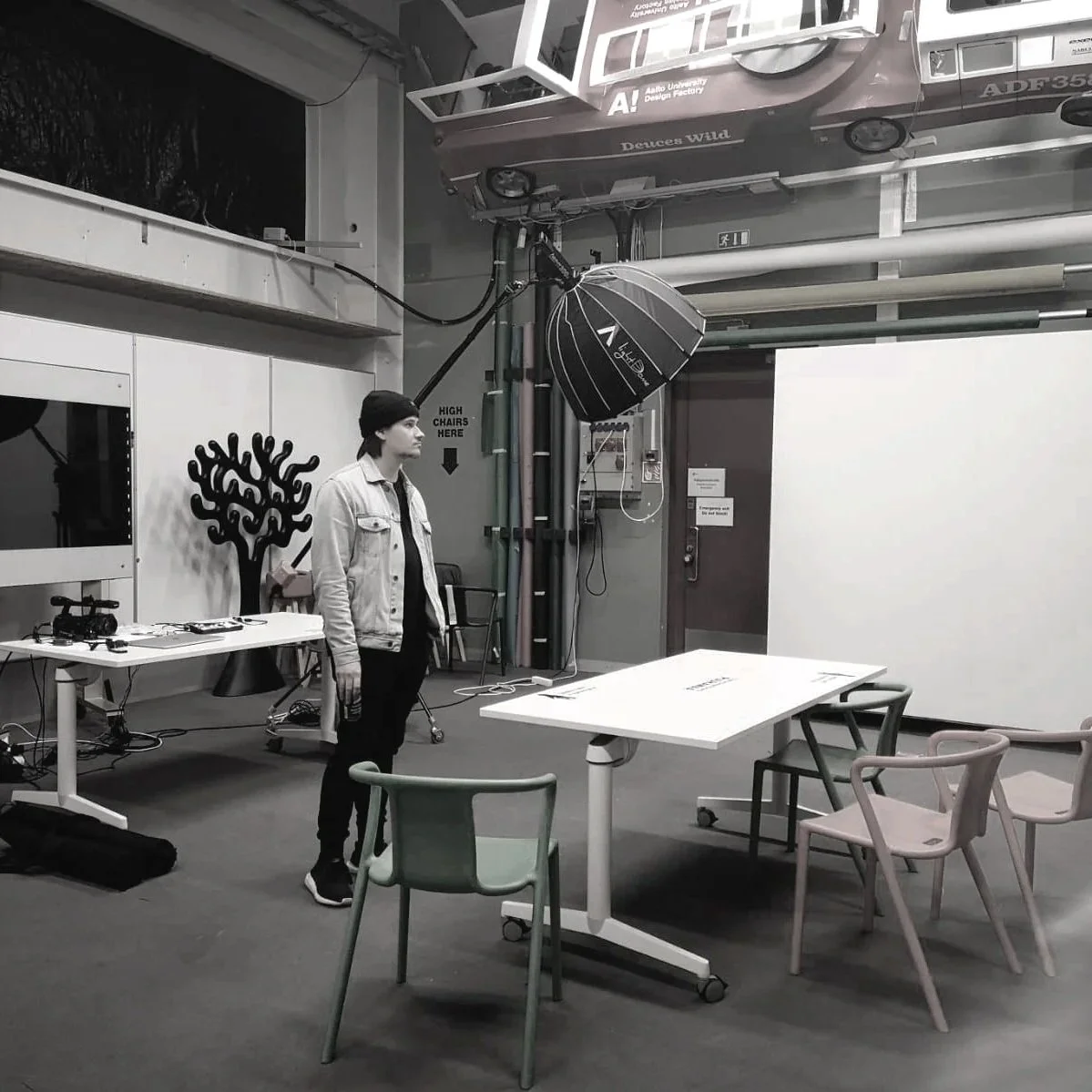
The survey pointed to something beyond app design — the physical environment mattered. So we visited Aalto Design Factory with one of our lecturers to see what made it work.
We looked at how spaces were organized, who kept them running, and why students actually wanted to be there. What we found went deeper than aesthetics. The key wasn't how the space looked — it was ownership. Students themselves took care of it. They could organize events, hang out, throw parties, and use it freely outside study hours. That sense of belonging made people want to show up — and come back.
This became a core principle for Hotspot: a space only works if people feel it belongs to them.
The research Conclusion: There was a clear sequence of problems — and each one needed its own solution.
First, students needed a way to find each other. Not just profiles, but skills, ongoing projects, and open collaborations. A dedicated app where students could discover people across majors, join projects, and make their own work visible — to other students, and eventually to companies and employers looking for emerging talent.
Second, they needed a place to actually meet and work. A physical space on campus — open, flexible, and student-owned — where spontaneous collaboration could happen naturally. Somewhere easy to show up to, start something, or simply spend time with people outside your own department. The first real connections often happen in person.
Third, they needed a reason to care. Information boards placed throughout the school — and larger ones at the entrances — would display student projects, active lookouts, and ongoing collaborations. Seeing your peers' work at scale creates motivation. One day, your project could be up there too.
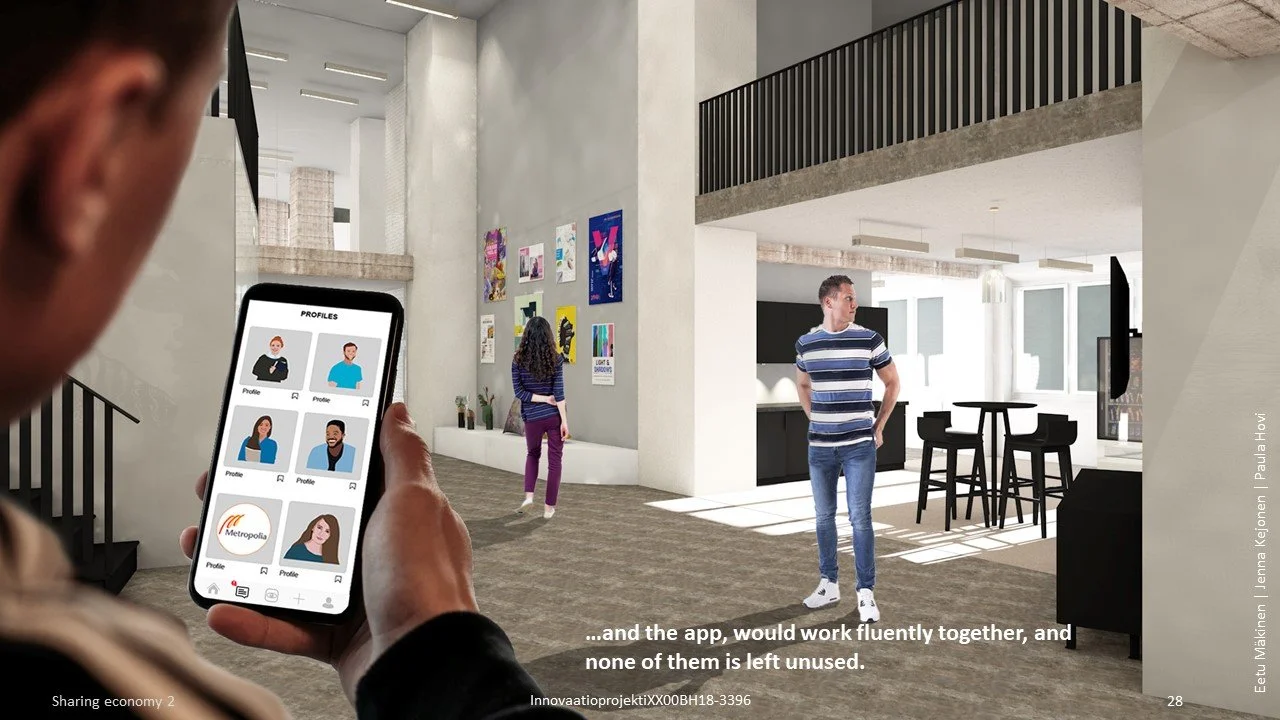
App. Space. Boards. Three problems, three solutions — designed to work together.
Concept
App → discoverability — an easy way to find projects and people. A deeper alternative to LinkedIn for students, with an internal portfolio that companies and employers can browse — and where they can post their own lookouts for internships and future hires
Space → an inspiring physical environment that students moderate and shape themselves
Boards → the connective layer between app and space — visibility, motivation, community
The research pointed to two core
elements and one supporting one:
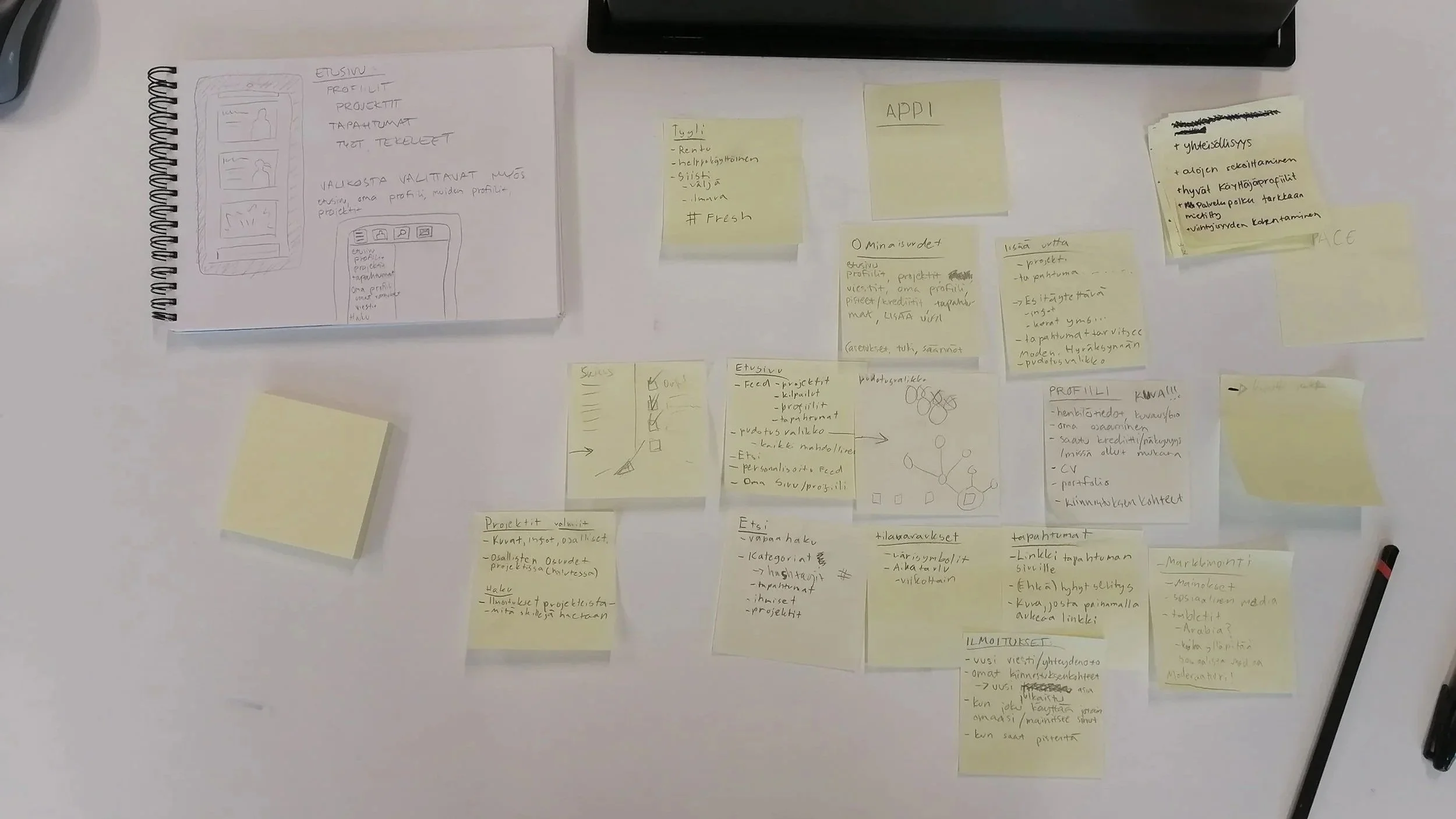
UX / APP — HOTSPOT
“The original app was designed in 2020 as part of the project. The concept and UX logic held up — but the visual language showed its age.
When putting together this case study, I rebuilt the visual layer from scratch, keeping the original information architecture and features intact while applying a modern design system built around Hotspot's identity.”
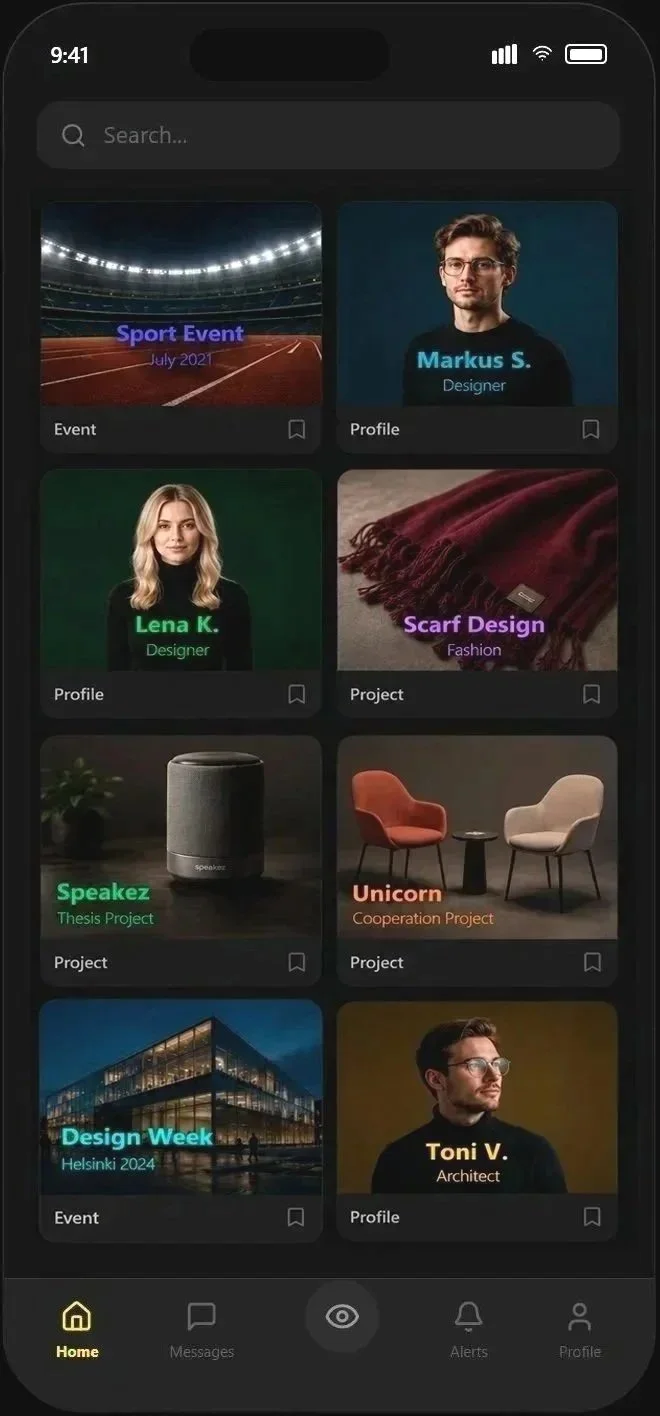
Home
The home feed surfaces everything happening across the Hotspot community — student projects, profiles, and upcoming events in one scrollable view.
Content is mixed intentionally, so a fashion project appears next to an architecture profile, creating unexpected connections across disciplines
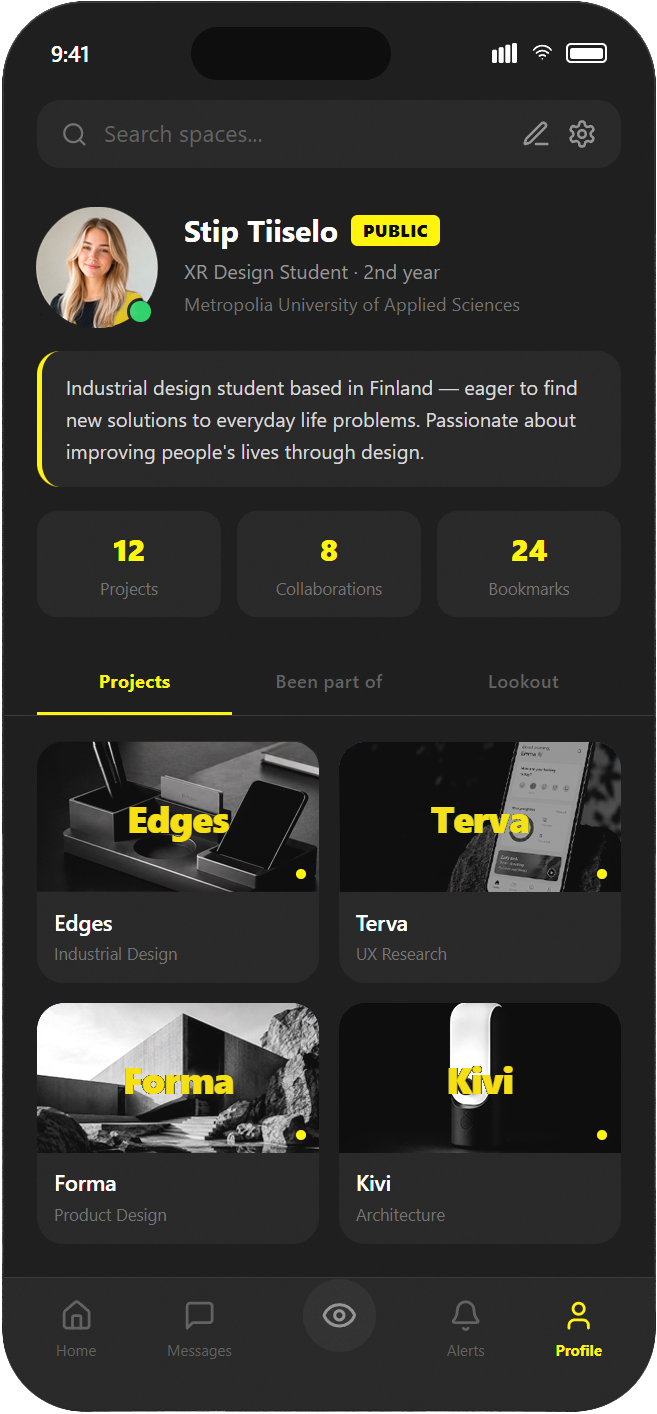
PROFILE
The profile is a student's living portfolio — projects they've led, collaborations they've been part of, and active lookouts. Public profiles are visible to companies and employers browsing for talent. Everything in one place, no external links needed.
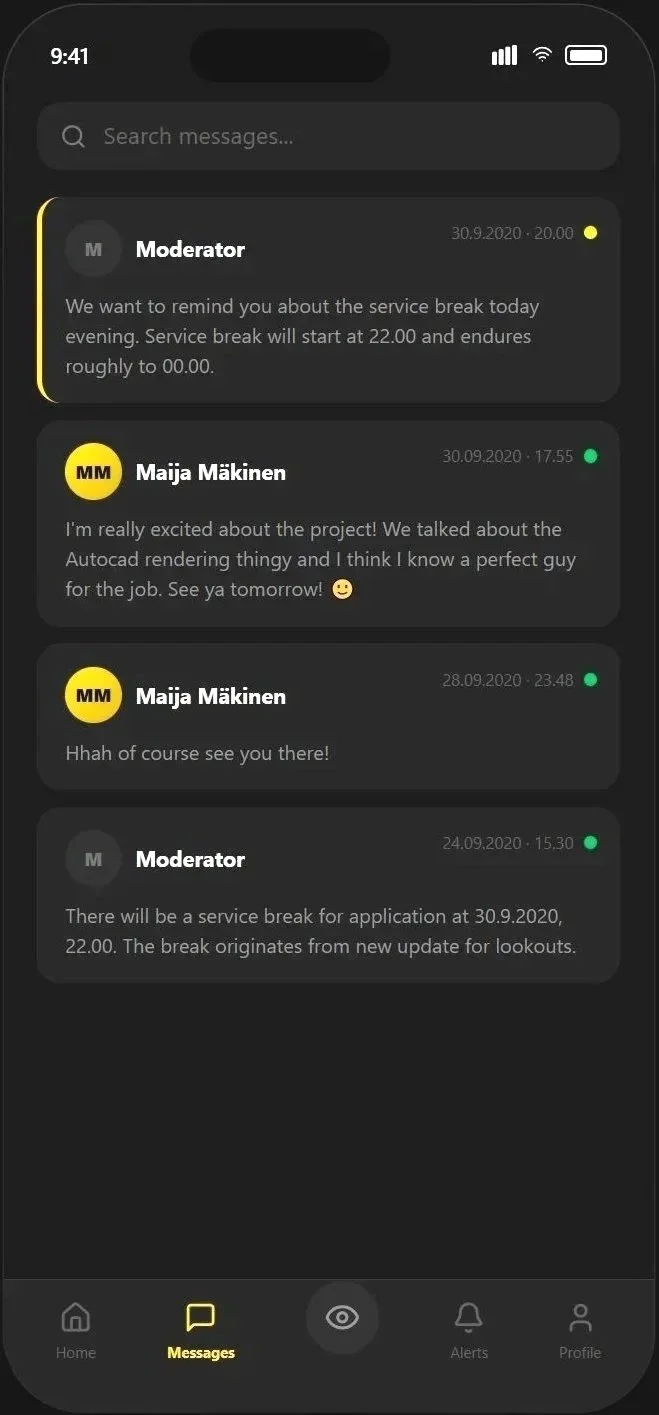
MESSAGES
Direct communication happens here — between collaborators, project partners, and the platform moderator. The yellow accent on active conversations keeps the interface alive without being noisy.
Lookouts
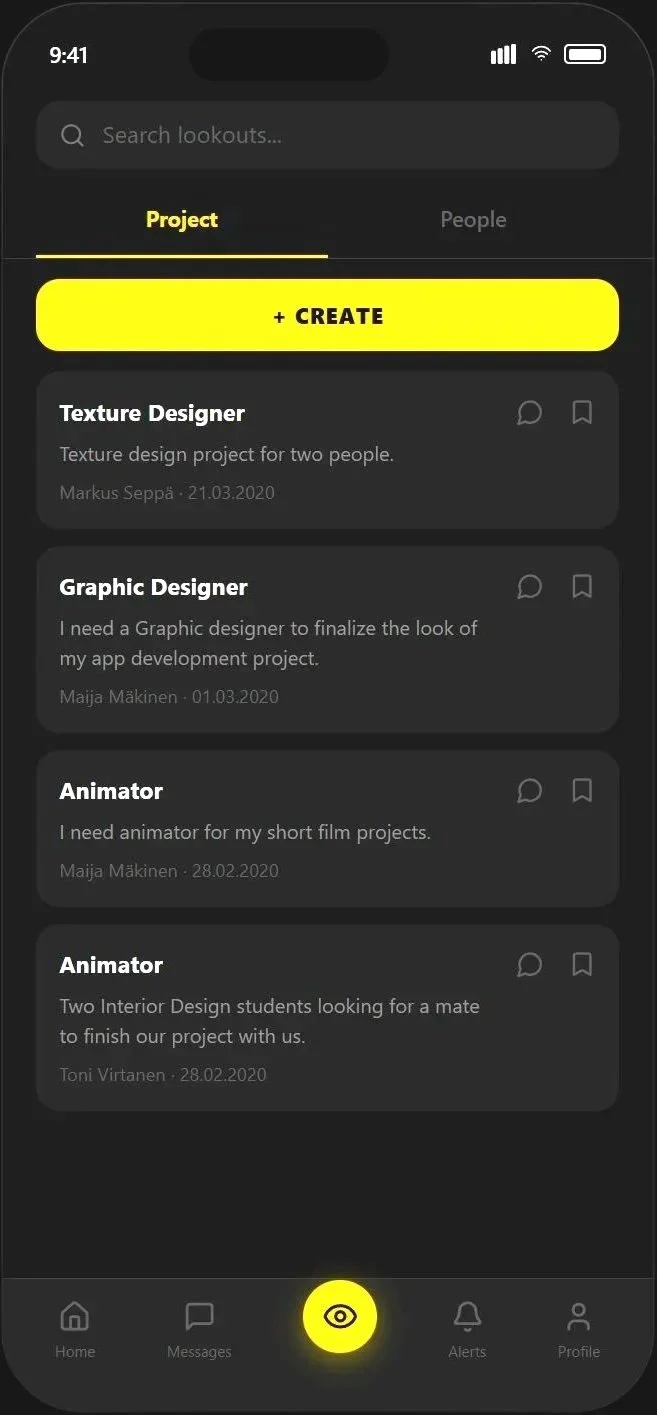
Lookout is where collaboration starts. Students and companies post open calls for specific skills — a texture designer, an animator, a co-founder. Every post is a door. The + Create button keeps it frictionless — posting a lookout takes under a minute.
Creating a lookout
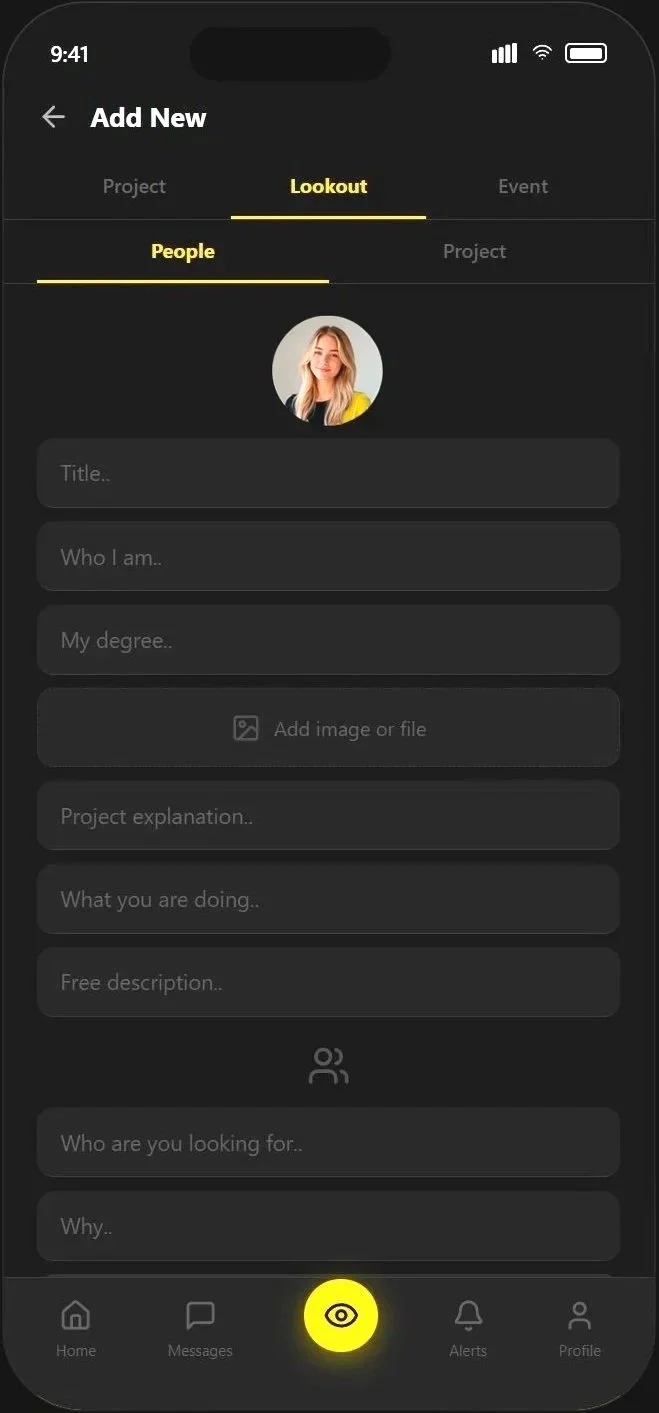
Creating a lookout is structured but open. Who you are, what you're working on, who you need and why. The form guides without restricting — giving enough context for the right person to reach out.
alerts
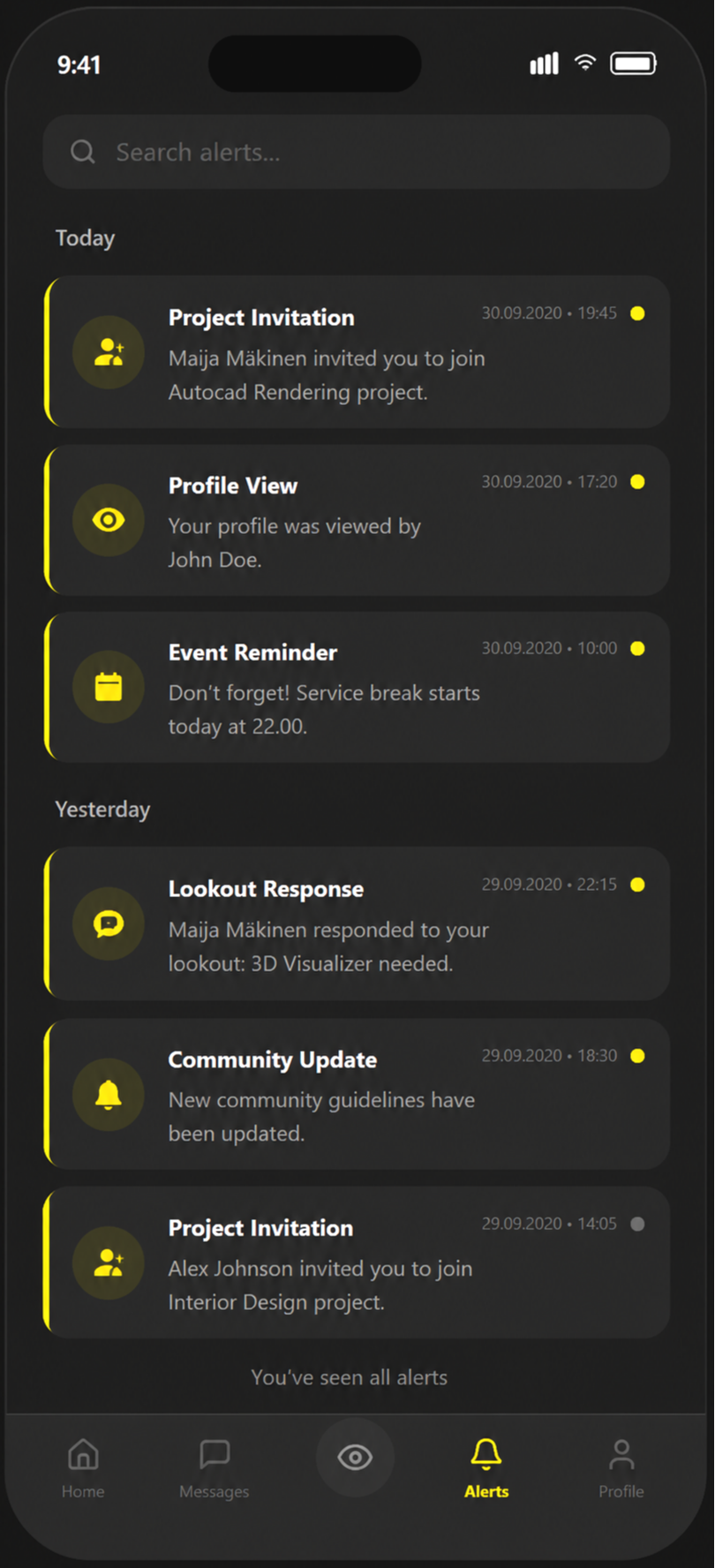
Alerts keep users informed about important activity across the platform — project invitations, lookout responses, profile views, event reminders, and community updates. By gathering notifications in one place, users can quickly see what is happening and decide where to engage next.
Space
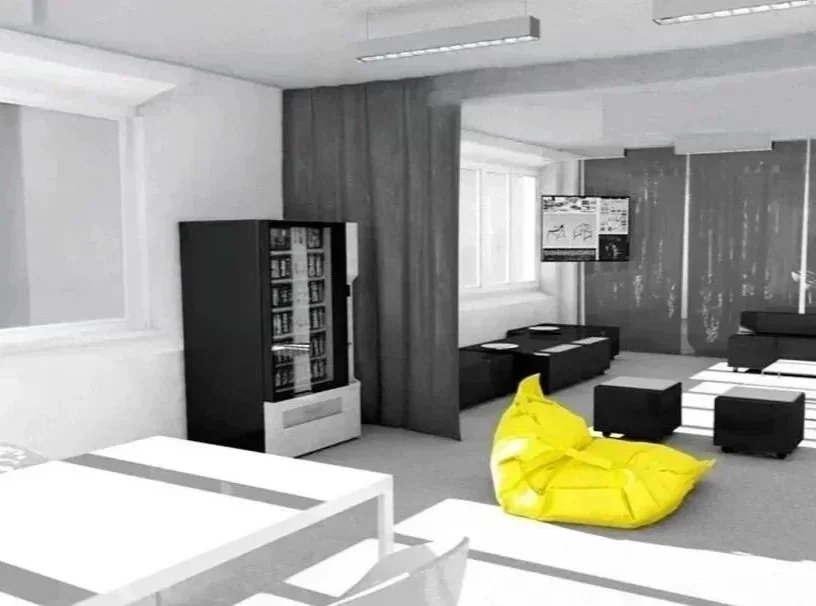
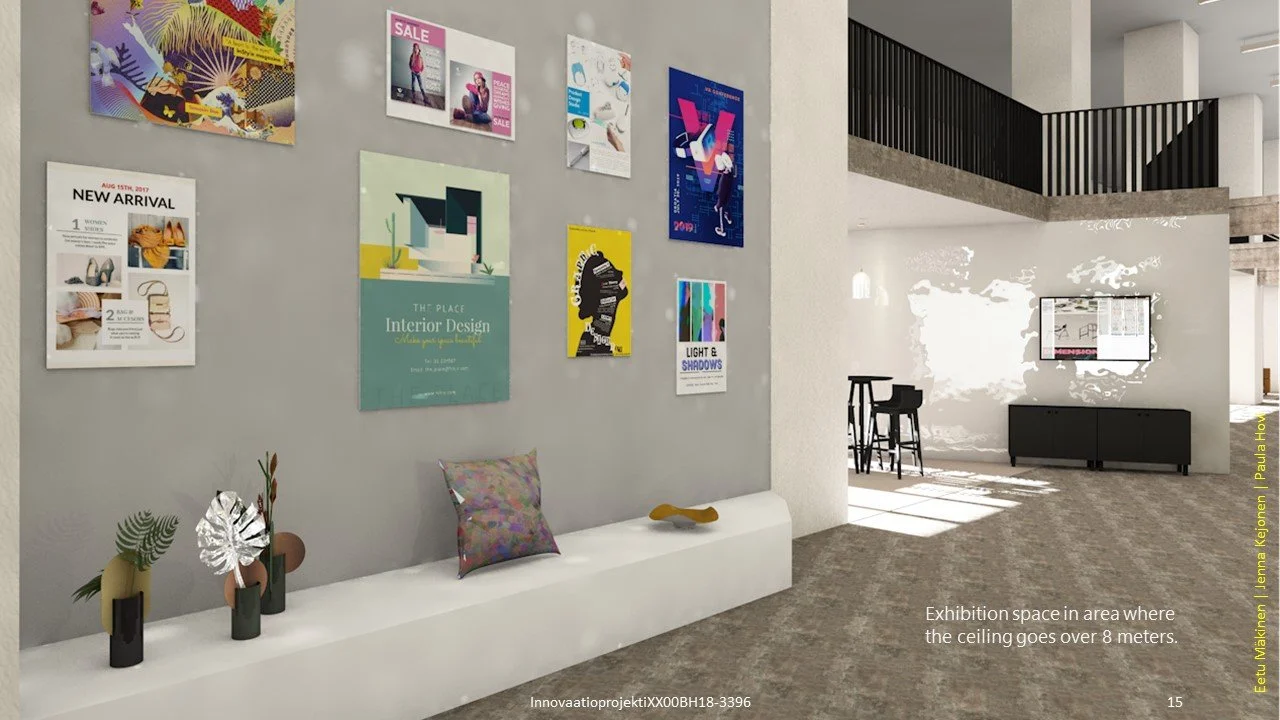
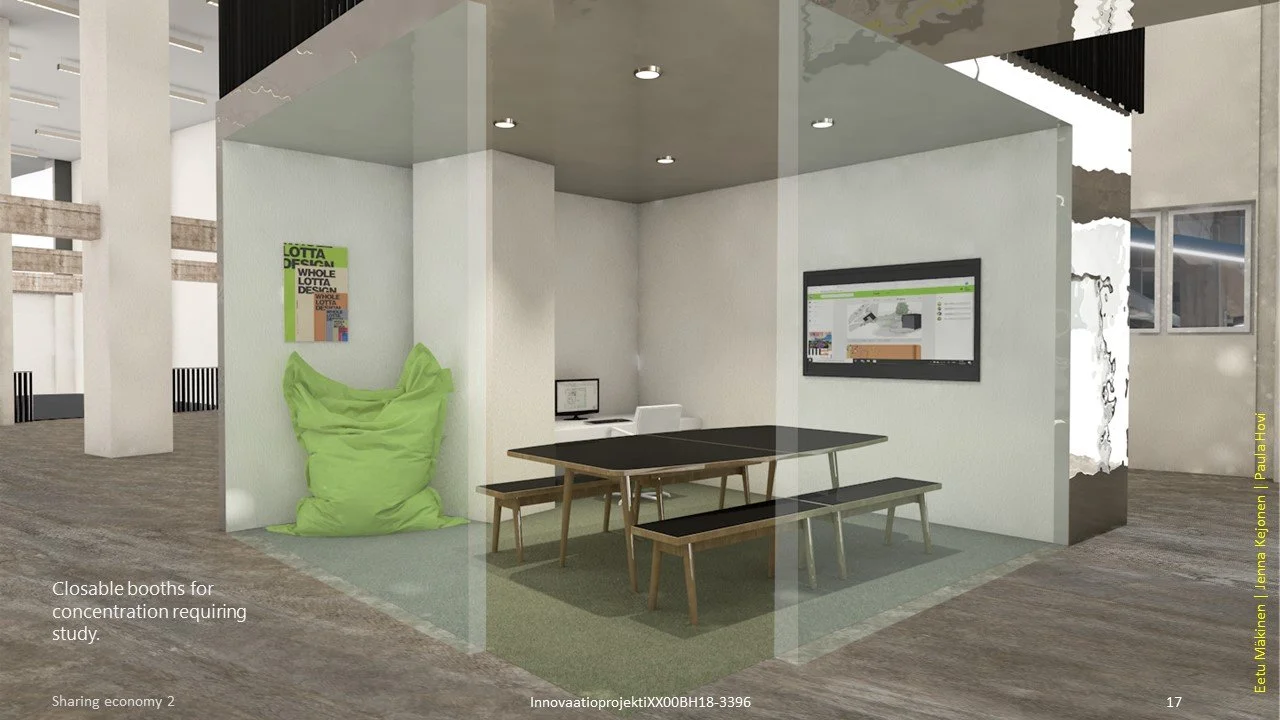
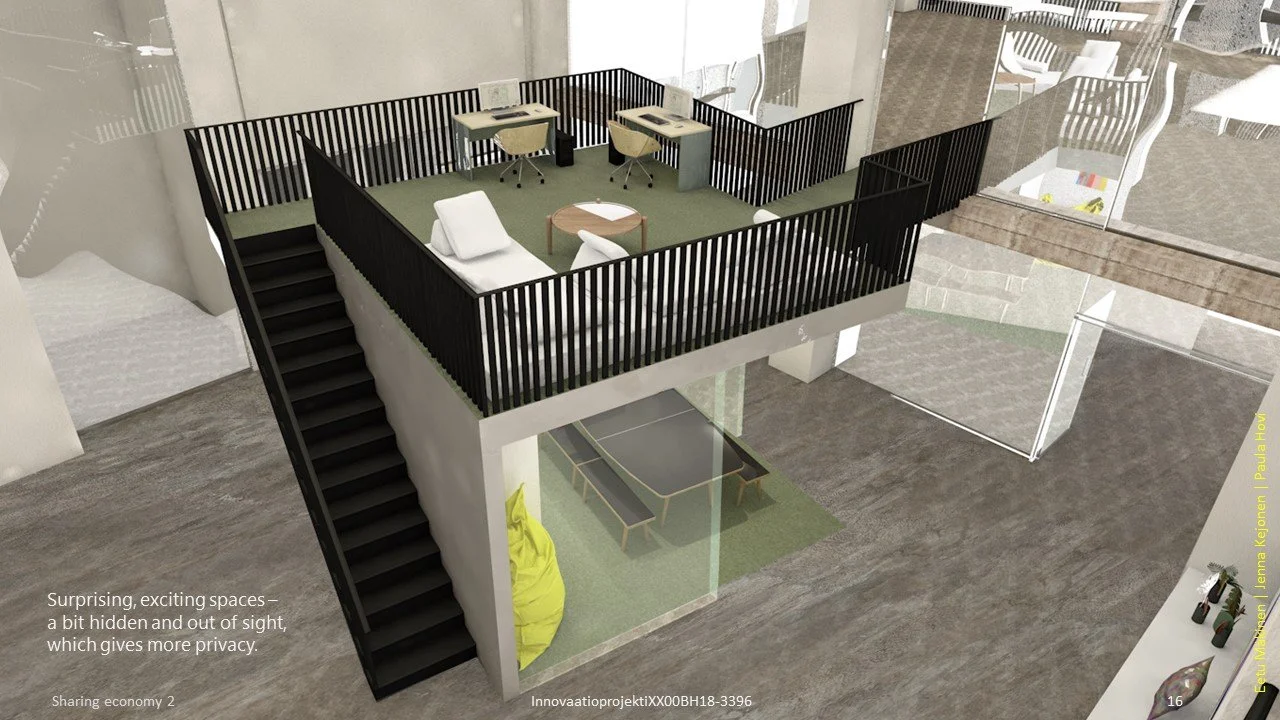
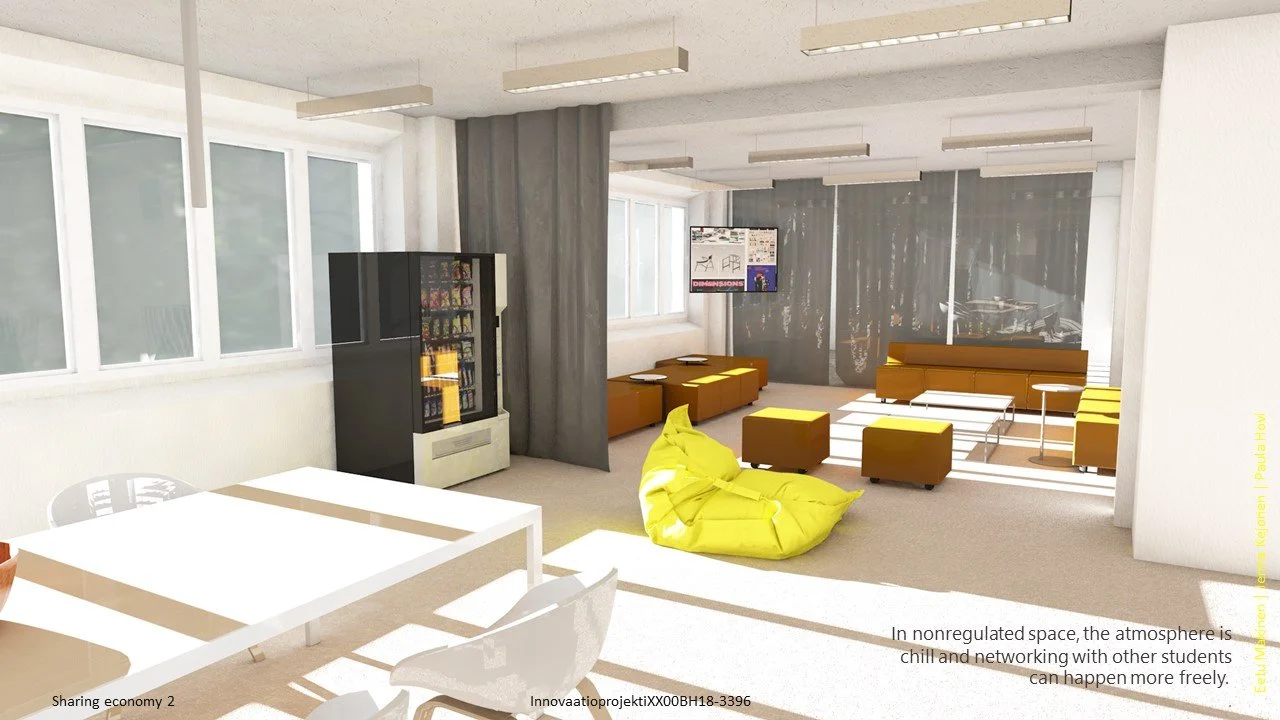
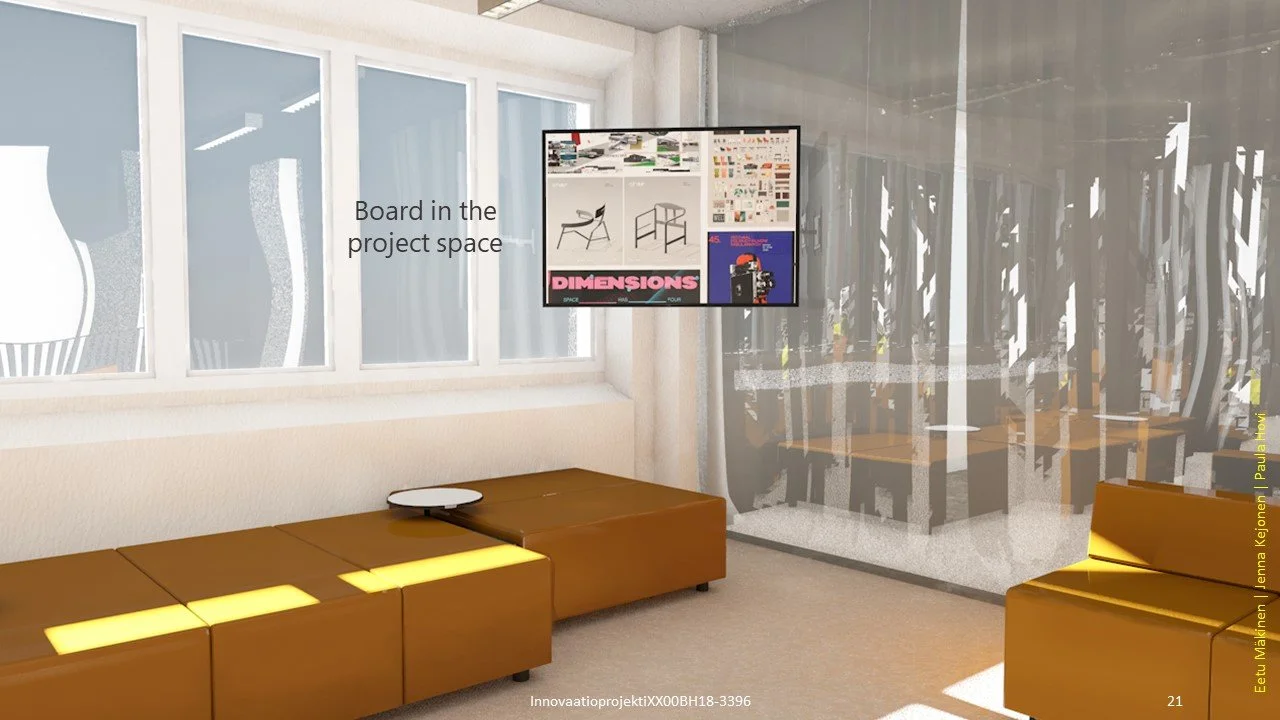
The physical space was designed around one idea: give students a place they actually want to own. Flexible, open, and adaptable — with room for focused work, casual hangouts, and everything in between.
Space concept and renderings created by Jenna Kejonen
BOARDS
Profile
Alerts
Lookouts
Creating a Lookout
Messages
Home
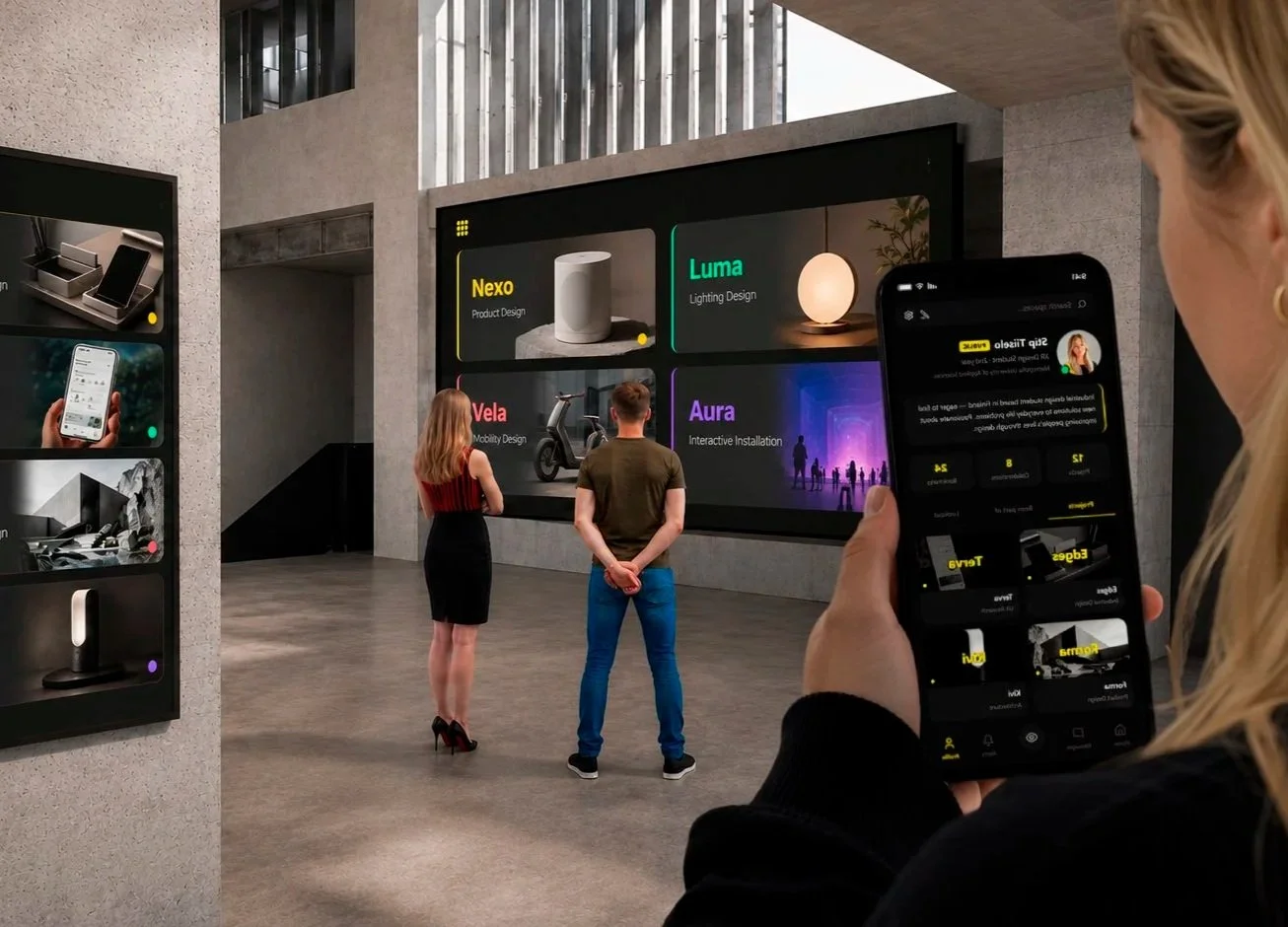
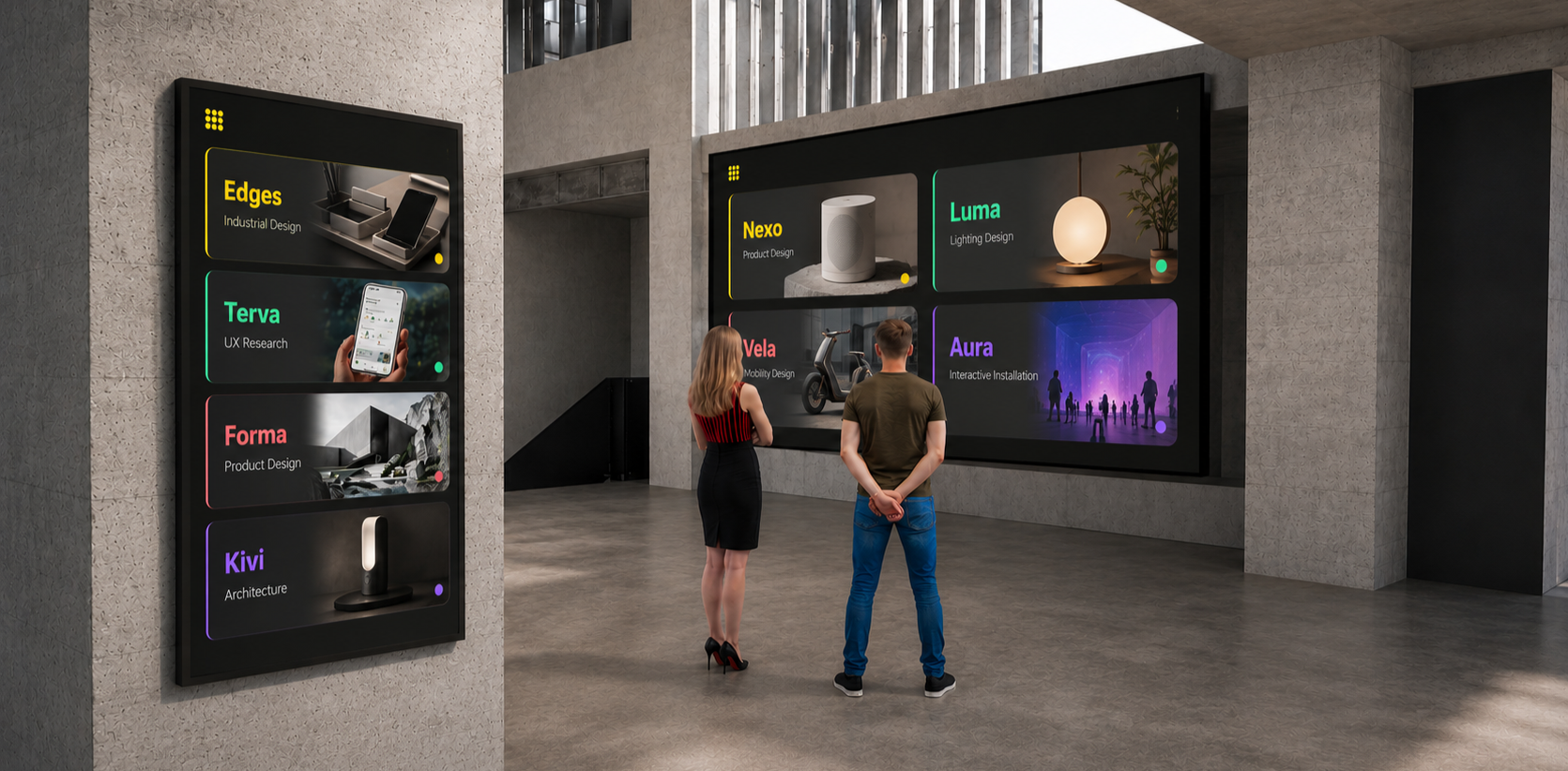
Boards connect the digital and physical sides of Hotspot. Installed across campus, they display student projects, upcoming events, active lookouts, and community highlights — making the creative activity on campus visible and giving people a reason to stop, explore, and engage.
If equipped with a touch interface, the boards become fully interactive access points to the Hotspot platform. Students can browse profiles, discover projects, explore internship opportunities, view events, and scroll through everything published on the app directly from the screen. At the same time, users maintain full control over their visibility: any profile, project, or post can be marked as private, ensuring that only content intended for public display appears on the boards.
The visualization shown is a concept of how the entrance area of Metropolia's Creative Campus could look with Hotspot integrated into the physical environment.
reflection
Hotspot was one of those projects where it quickly became clear that the topic resonated with people. Students were eager to share their experiences, and many lecturers recognized the same challenges the research highlighted. That gave the team confidence that the concept was addressing a real need rather than an assumed problem. Looking back, the next step would have been deeper interviews with students. The survey helped identify patterns, but more personal conversations could have revealed the motivations and experiences behind the responses and helped refine the concept further.
The visit to Aalto Design Factory was one of the most valuable parts of the project. Seeing a creative community and collaborative space in action provided useful reference points and helped ground the physical aspects of the concept in something tangible. The project was ultimately interrupted by the COVID-19 pandemic before it could move beyond the concept stage. Even so, the discussions that followed around funding and potential partnerships suggested that the ideas had gained interest and were worth exploring further.